Archives
- 2026-09
- 2026-08
- 2026-07
- 2026-06
- 2026-05
- 2026-04
- 2026-03
- 2026-02
- 2026-01
- 2025-12
- 2025-11
- 2025-10
- 2025-09
- 2025-03
- 2025-02
- 2025-01
- 2024-12
- 2024-11
- 2024-10
- 2024-09
- 2024-08
- 2024-07
- 2024-06
- 2024-05
- 2024-04
- 2024-03
- 2024-02
- 2024-01
- 2023-12
- 2023-11
- 2023-10
- 2023-09
- 2023-08
- 2023-07
- 2023-06
- 2023-05
- 2023-04
- 2023-03
- 2023-02
- 2023-01
- 2022-12
- 2022-11
- 2022-10
- 2022-09
- 2022-08
- 2022-07
- 2022-06
- 2022-05
- 2022-04
- 2022-03
- 2022-02
- 2022-01
-
Obatoclax mesylate In the present study co administration of
2022-05-30
In the present study, co-administration of TM (AT1 receptor blocker) and PD (AT2 receptor blocker) were made in ischemic mice to explore the significance of AT2 receptors in cerebral ischemia while blocking central AT1 receptors. Also to prove that AT2 receptors should be free after ischemic injury
-
High energy adjusted free glutamate intake among adults
2022-05-30
High energy-adjusted free glutamate intake among adults with high education level (above college) or high poverty income ratio (≥3.50) might be a consequence of the difference in intake of some foods such as vegetables and fruits, reflecting upon their socioeconomic status. Previous studies have sho
-
br Acknowledgements This work was supported by the Science a
2022-05-30
Acknowledgements This work was supported by the Science and Technology Department of Hubei Province (No.2016CFB368) and the National Natural Science Foundation of China (No. 81201053). Introduction L-Glutamate (glutamate) is the most important excitatory neurotransmitter of the central nervou
-
In the phylum Cnidaria which separated from the main line
2022-05-27
In the phylum Cnidaria, which separated from the main line of Metazoa early during evolution, FGFR signaling is essential during development and morphogenesis. Two FGFRs and two FGFs antagonistically control formation of the apical organ in the anthozoan Nematostella and target the MAPK pathway (Ren
-
br Conflicts of interest br Acknowledgment br Introduction
2022-05-27
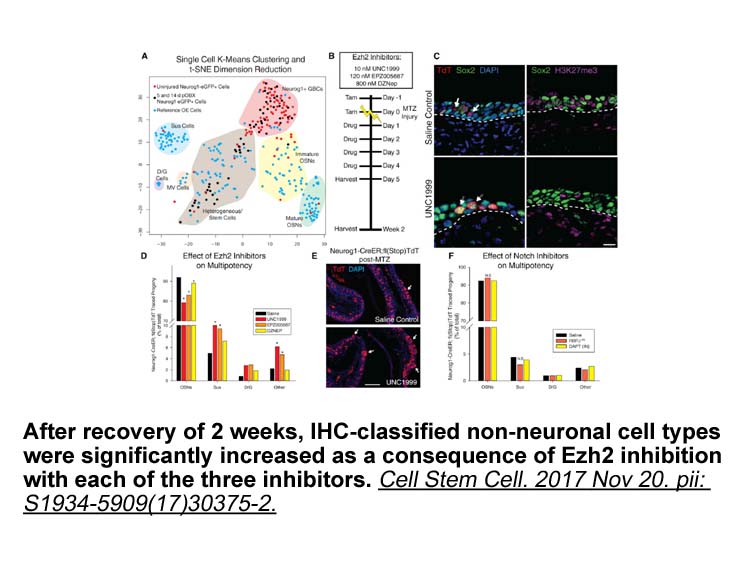
Conflicts of interest Acknowledgment Introduction The bromhexine growth factor receptors (FGFRs) are a family members of receptor tyrosine kinase (RTK) that represent attractive therapeutic targets for anti-cancer therapy gaining more and more attention in recent years [1], [2]. This famil
-
The anti platelet functions of ZGR
2022-05-27
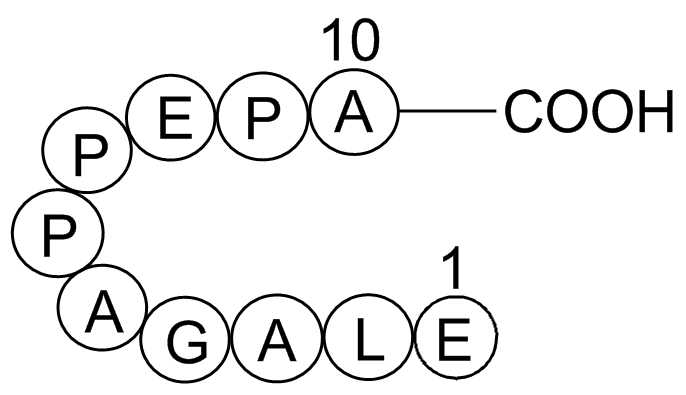
The anti-platelet functions of ZGR were confirmed by the mechanistic studies such as the activation of PKC, intracellular Ca2+ mobilization, and the expressions of P-selectin and PAC-1. Further, rivaroxaban prolonged the generation of thrombin and reduced the thrombin burst produced in the propagati
-
Before discovery of their histone
2022-05-27
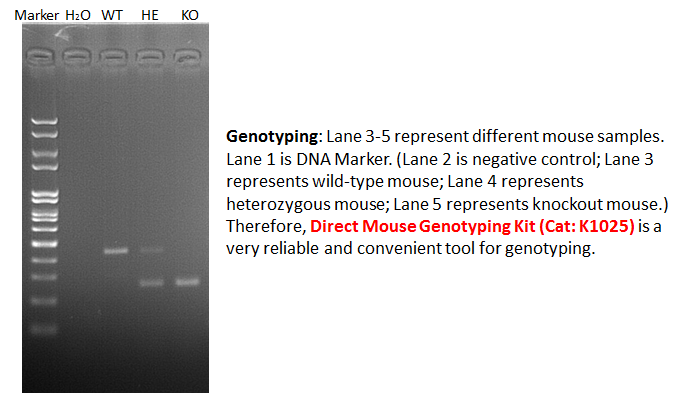
Before discovery of their histone demethylase function, the JARID1 isoforms were identified across diverse fields including stem cell biology and congenital disease, as detailed in Box 2. Their observed roles in cancer progression and therapy resistance have led to ongoing pursuit of inhibitors tail
-
Another interesting approach is to use partial agonists
2022-05-27
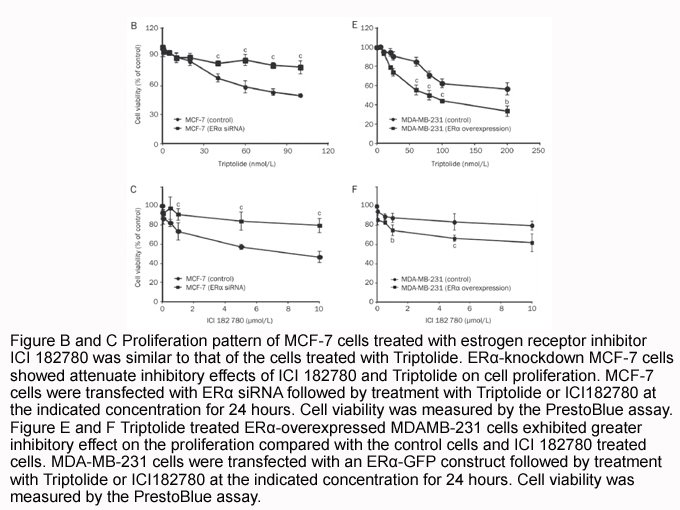
Another interesting approach is to use partial agonists as starting point to develop specific antagonists like done in earlier decades [64], [65]. Possible indications for an attenuation of the NO/sGC signalling pathway might be specific neuronal disorders: an involvement in the aetiology of migrain
-
Bioinformatic analysis revealed a putative coiled coil SLD
2022-05-27
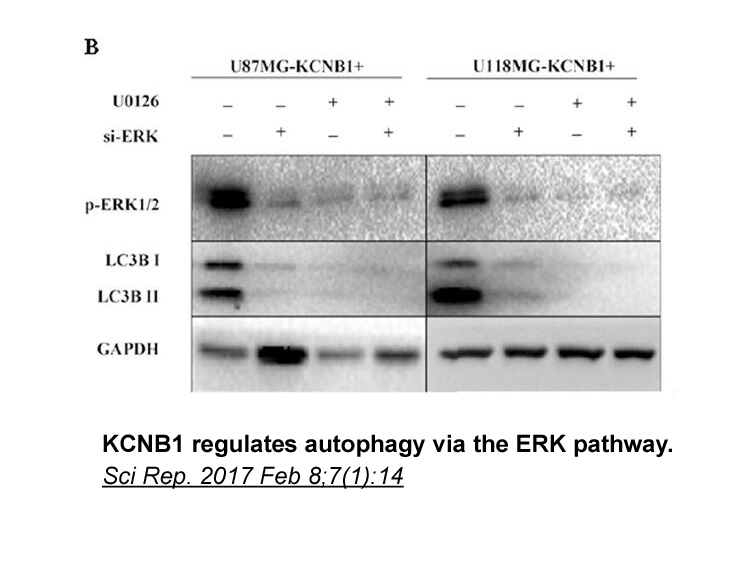
Bioinformatic analysis revealed a putative coiled-coil SLD within CT229 which we show to be essential for intracellular replication and recruitment of Rab GTPases to the inclusion. Mutation of a single amino (S)-10-Hydroxycamptothecin residue in the SLD domain (CT229L120D) significantly reduced Rab
-
Our study has strengths and limitations We believe we are
2022-05-27
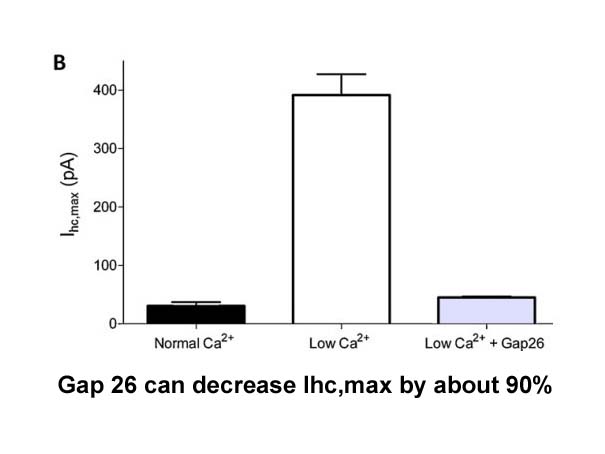
Our study has strengths and limitations. We believe we are the 1st to report a novel model of secondary hypogonadism. Several animal models for hypogonadotropic hypogonadism (kisspeptin and the kisspeptin receptor knockout) exist but we are unaware of animal models of secondary hypogonadism with dif
-
There is abundant literature about different functional aspe
2022-05-27
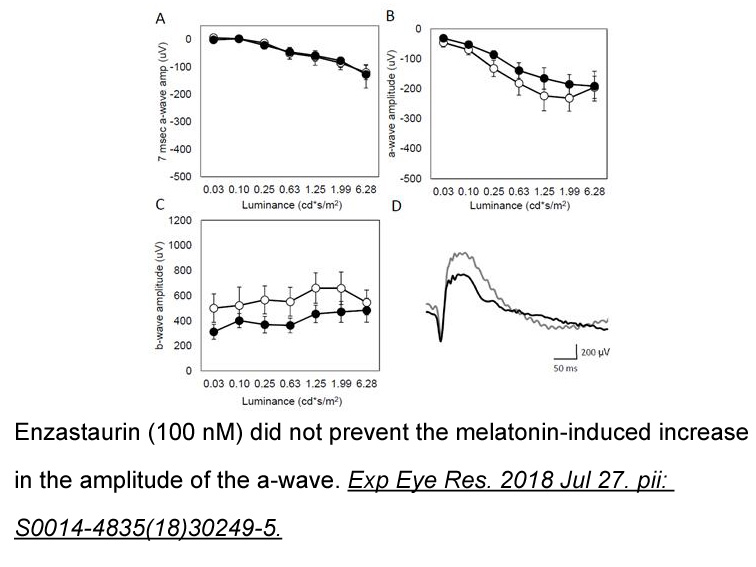
There is abundant literature about different functional aspects of the cannabinoid system (Badal et al., 2017, Balenga et al., 2011, Henderson-Redmond et al., 2016, Nair et al., 2015); however, not a great deal is known about the mechanism by which ethanol impacts its function in connection to the i
-
br Results br Discussion The twin cysteine
2022-05-26
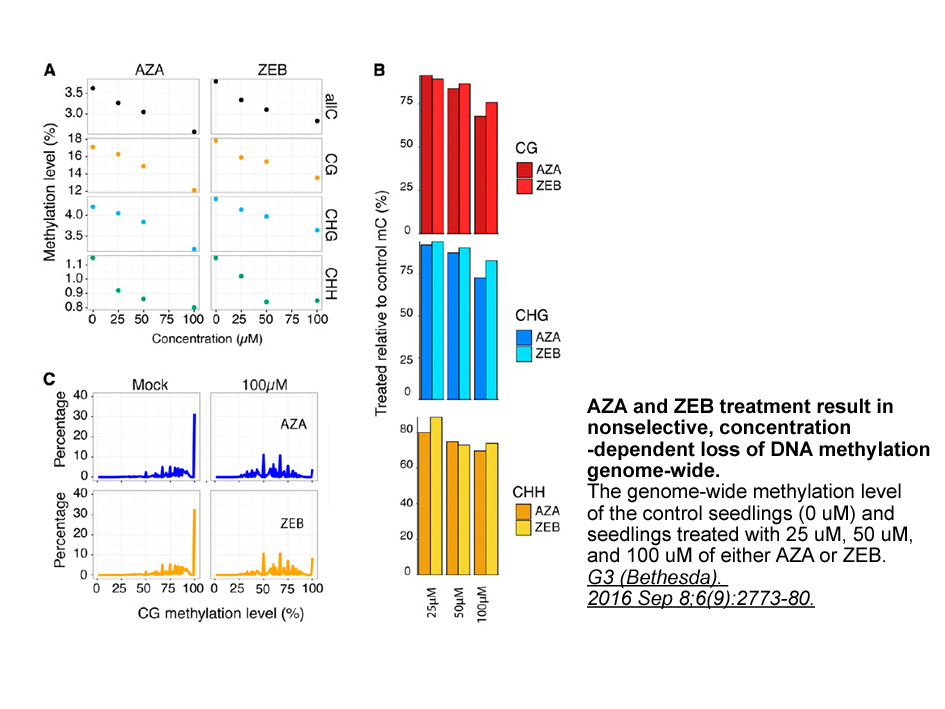
Results Discussion The twin-cysteine motif is an evolutionary conserved motif in all primate lentiviruses except HIV-1 and some strains of SIVcpz according to sequence analysis (Bohl et al., 2013). It is assumed that only those SIVcpz which have lost the twin-cysteines successfully evolved to
-
Epidemiological evidence indicates that neuroinflammation pl
2022-05-26
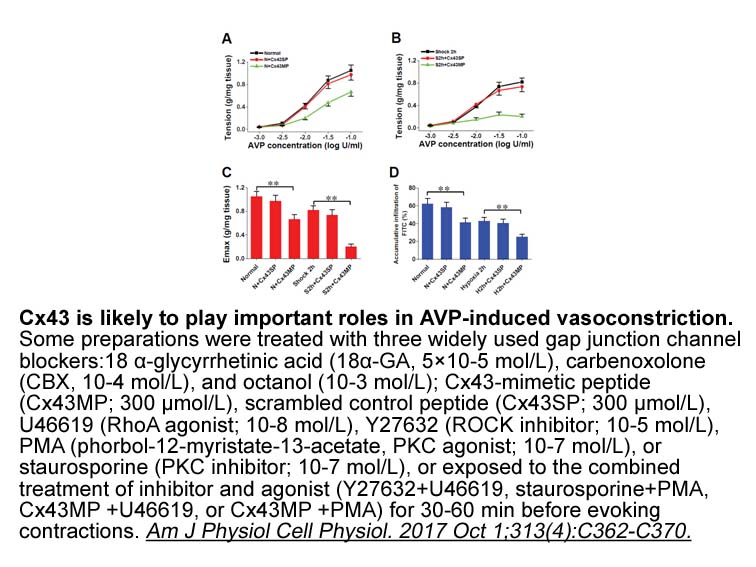
Epidemiological evidence indicates that neuroinflammation plays a pivotal role in pathogenesis of AD (Heneka et al., 2015, Heneka et al., 2013, Holmes et al., 2009, Liu et al., 2016). For example, prolonged treatment with nonsteroidal anti-inflammatory drugs reduces the risk of developing AD (In et
-
Glucagon regulates the transition from
2022-05-26
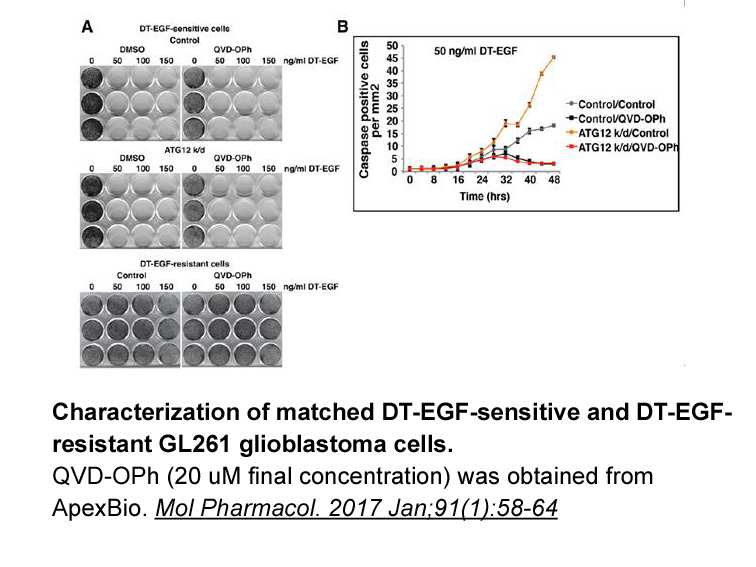
Glucagon regulates the transition from hepatic glucose utilisation in the absorptive state to glucagon production in the post-absorptive state by acute stimulation of glycogenolysis and inhibition of glycolysis [1]. An important component of this response is the phosphorylation of liver PFK2/FBPase2
-
Z VDVAD FMK Olanzapine has been reported to attenuate
2022-05-26
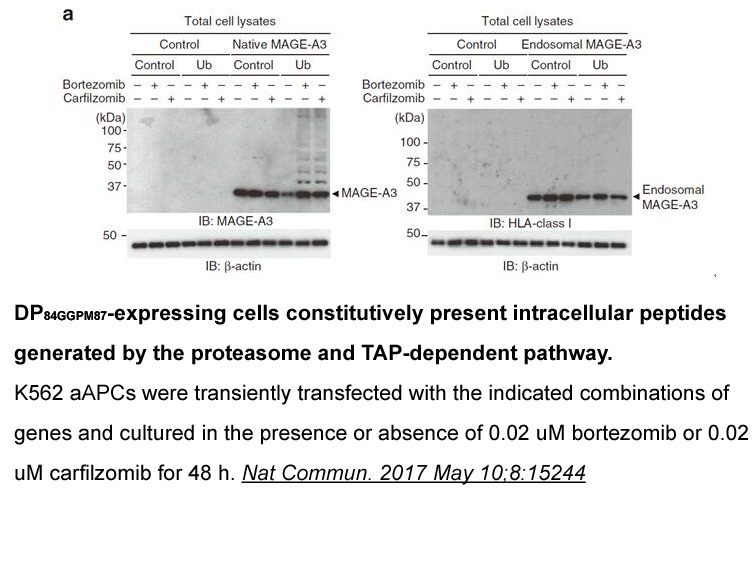
Olanzapine has been reported to attenuate insulin secretion, cause insulin resistance (Chintoh et al., 2008) and reduce whole body carbohydrate oxidation (Klingerman et al., 2014). However, a blunting of these effects in Gcgr−/− mice would not appear to explain the protection against olanzapine-indu
8387 records 475/560 page Previous Next First page 上5页 471472473474475 下5页 Last page